
Compliance is often viewed as a regulatory issue in behavioral health. Leaders think about documentation requirements, insurance regulations, HIPAA rules, and the risk of audits.
While those elements are certainly important, many compliance challenges actually begin much earlier, in everyday operational workflows.
When systems are disconnected, data is difficult to track, or teams rely heavily on manual processes, even well-run organizations can unintentionally create compliance risks. In many cases, the issue isn’t a lack of knowledge about regulations. It’s a lack of operational visibility.
For behavioral health organizations navigating increasing demand, growing payer complexity, and expanding regulatory oversight, compliance is becoming less about policies and more about how well systems and workflows function together.
Where Compliance Challenges Often Begin
Many behavioral health organizations operate with a patchwork of systems: a CRM, EMR, marketing platforms, billing software, and spreadsheets that fill the gaps between them.
When these systems do not communicate effectively, teams are often forced to manually transfer information between platforms. Admissions data might be entered in one system, insurance details stored in another, and billing records tracked separately.
This data fragmentation increases the risk of:
- Incomplete documentation
- Inaccurate patient records
- Missed insurance verification steps
- Billing errors or underpaid claims
Even small gaps in these processes can create compliance concerns over time, especially when facilities are handling a high volume of admissions and insurance claims.
Admissions Workflows and Documentation Risk
The admissions process is one of the most critical stages in behavioral health operations. It is also one of the most complex.
A successful admissions process includes:
- Capturing detailed patient information
- Verifying insurance coverage
- Coordinating clinical intake
- Documenting each step accurately
When admissions workflows rely on manual tracking or disconnected systems, it becomes easier for important information to slip through the cracks.
Incomplete documentation can create compliance risks later in the treatment process, particularly during insurance claims, clinical reviews, or audits.
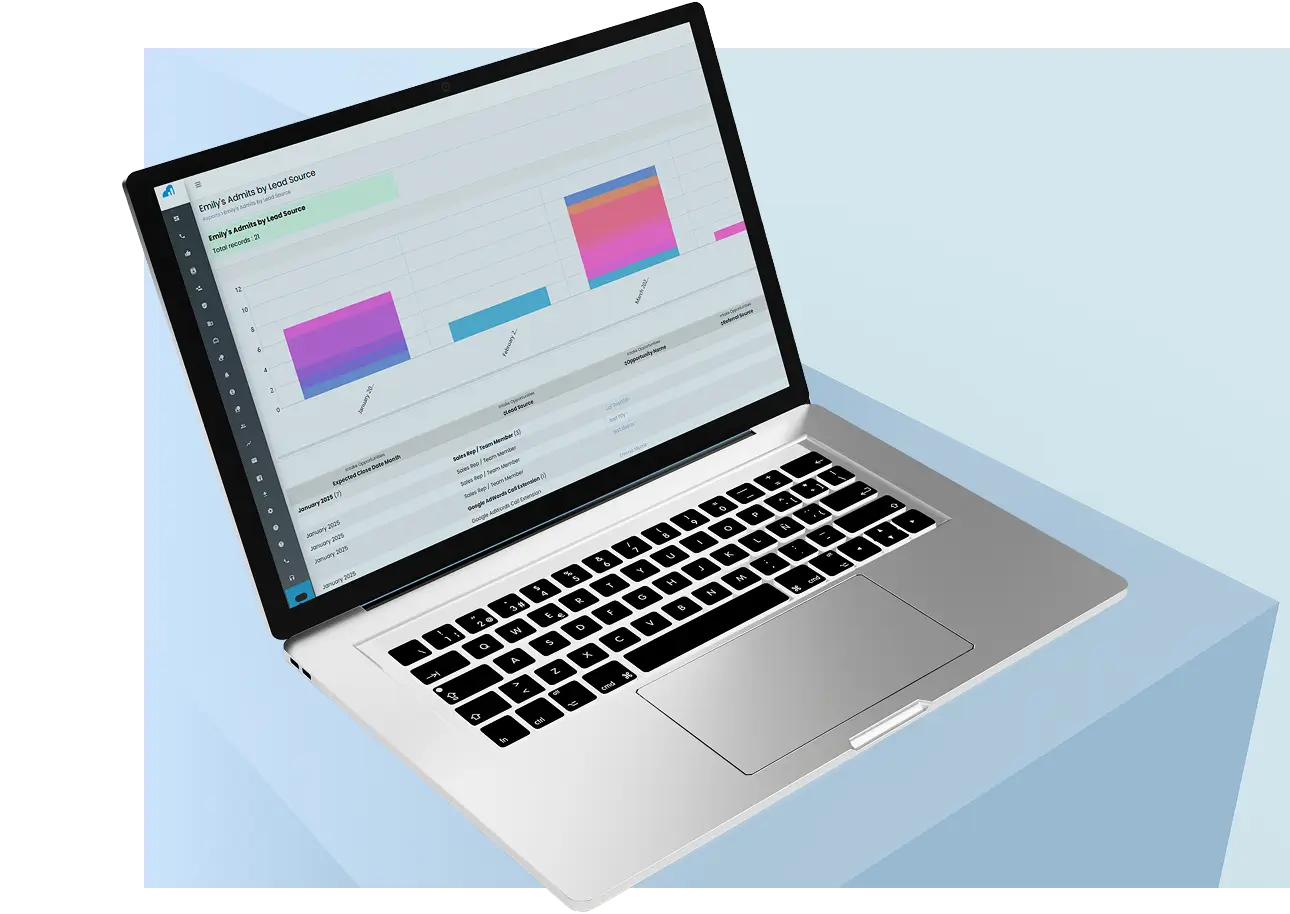
In practice, these gaps can also impact growth. In a recent case study with Rockland Recovery, limited visibility into admissions data made it difficult to track performance and identify bottlenecks.
After implementing a centralized, data-driven approach through Dazos CRM, the organization improved admissions tracking, increased transparency, and grew admissions while maintaining more consistent documentation.
This level of visibility supports better decision-making and helps reduce compliance risks tied to incomplete or inconsistent records.
Insurance Verification and Billing Visibility
Insurance verification and billing processes are another area where operational challenges can lead to compliance issues.
Behavioral health billing is complicated by varying payer rules, authorization requirements, and reimbursement structures. If verification steps are incomplete or documentation is inconsistent, claims may be delayed, denied, or underpaid.
Over time, these issues can create financial strain and increase scrutiny during payer reviews.
Many organizations are now prioritizing systems that provide greater revenue cycle visibility, allowing teams to identify unpaid or underpaid claims earlier and resolve discrepancies before they escalate.
Tools such as Dazos Billing CRM and Dazos IQ help organizations surface these issues more quickly, enabling billing teams to address potential problems proactively rather than reactively.
Marketing Attribution and Data Transparency
Compliance challenges are not limited to admissions and billing. Marketing operations can also introduce risks if data tracking is unclear or inconsistent.
Behavioral health organizations invest heavily in digital marketing, referral partnerships, and outreach efforts. However, when attribution systems are not properly configured, it can become difficult to connect marketing spend to actual admissions and revenue outcomes.
Clear attribution not only supports better marketing decisions but also improves transparency across the organization. Leadership teams gain a more accurate understanding of where patients are coming from and how marketing activities contribute to admissions growth.
Integrated reporting tools specific to behavioral health help connect these data points so organizations can maintain both operational visibility and accountability.
The Role of Integrated Systems in Compliance
As behavioral health organizations grow, the need for connected systems becomes increasingly important.
When admissions workflows, marketing data, billing information, and insurance verification all exist within separate tools, maintaining accurate records becomes significantly more difficult. Teams may spend hours reconciling data between systems, increasing the risk of errors.
Integrated platforms reduce this complexity by allowing information to flow across departments more efficiently.
Admissions teams, marketers, and billing staff can work from a shared data environment, ensuring that records remain consistent and up to date.
For many organizations, this type of operational visibility becomes one of the most effective ways to reduce compliance risk while improving overall efficiency.
Compliance as a Strategic Leadership Priority
For behavioral health leaders, compliance should not be viewed solely as a regulatory requirement. It is increasingly a reflection of how well an organization’s systems, processes, and teams operate together.
Facilities that invest in operational insight, through better workflows, integrated data systems, and improved visibility, are often better positioned to navigate both regulatory expectations and the complexities of modern behavioral health care.
In other words, strong compliance is rarely the result of a single policy or procedure. It is the outcome of well-designed operations.
Building Stronger Operations for the Future
As behavioral health organizations continue expanding services and responding to rising demand, operational complexity will only increase.
Admissions workflows, insurance verification, billing processes, and marketing attribution must all function together to support both compliance and growth.
Purpose-built platforms designed specifically for behavioral health organizations can help unify these processes, giving teams the tools they need to track data, surface insights, and maintain clear operational oversight.
At Dazos, our solutions are built to help behavioral health operators bring admissions, billing visibility, and marketing intelligence into one connected platform — allowing teams to focus less on chasing data and more on delivering high-quality care.
Ready to explore ways to strengthen your team’s operational visibility and reduce compliance risk? Contact us today to schedule a demo with the Dazos team to learn how our platform supports behavioral health workflows from admissions to revenue intelligence.
Sources
- American Medical Association. (2023). Administrative Burden in U.S. Health Care. Retrieved from: https://www.ama-assn.org/practice-management/reducing-administrative-burden. Accessed on March 16, 2026.
- Healthcare Financial Management Association. (2023). Revenue Cycle Best Practices for Healthcare Organizations. Retrieved from: https://www.hfma.org/reference/revenue-cycle-management/. Accessed on March 16, 2026.
- Office of the National Coordinator for Health Information Technology. (2023). Interoperability in Healthcare. U.S. Department of Health and Human Services. Retrieved from: https://healthit.gov/interoperability/. Accessed on March 16, 2026.