In today’s fast-paced healthcare landscape, behavioral health organizations face increasing pressure to deliver high-quality care while managing complex operations. To meet these challenges, it’s essential to adopt advanced technologies that streamline workflows, improve efficiency, and enhance patient outcomes. One such technology that is becoming increasingly indispensable is a Customer Relationship Management (CRM) system.
Why is a CRM essential for behavioral health?
A CRM system serves as a centralized hub for managing all aspects of your organization’s interactions with patients, providers, and other stakeholders. By consolidating information and automating tasks, a CRM can significantly improve efficiency, enhance patient satisfaction, and drive revenue growth.
The limitations of spreadsheets and internal knowledge
While spreadsheets and informal knowledge management may have sufficed in the past, they often fall short in meeting the demands of modern behavioral health organizations. These methods can lead to:
- Data silos: Information is scattered across different spreadsheets and systems, making it difficult to access and analyze.
- Inconsistent processes: Manual processes can vary between staff members, leading to errors and inefficiencies.
- Lack of visibility: It’s challenging to track key metrics and performance indicators without a centralized system.
- Compliance risks: Manual processes can increase the risk of non-compliance with regulatory requirements.
Standardizing processes and workflows
A CRM system can help you establish standardized processes and workflows that are tailored to your organization’s specific needs. By automating tasks and providing clear guidelines, a CRM can ensure consistency and efficiency across your team.
Key benefits of using a CRM in behavioral health
- Improved patient engagement: A CRM can help you track patient interactions, personalize care, and improve communication.
- Enhanced provider collaboration: A CRM can facilitate communication and collaboration between providers, ensuring seamless care delivery.
- Streamlined administrative tasks: By automating tasks such as scheduling, billing, and insurance verification, a CRM can free up staff to focus on patient care.
- Enhanced data management: A CRM provides a centralized repository for patient data, ensuring accuracy and accessibility.
- Improved revenue cycle management: By automating billing and collections processes, a CRM can help you improve your financial performance.
- Enhanced compliance: A CRM can help you track compliance with regulatory requirements, reducing the risk of penalties and fines.
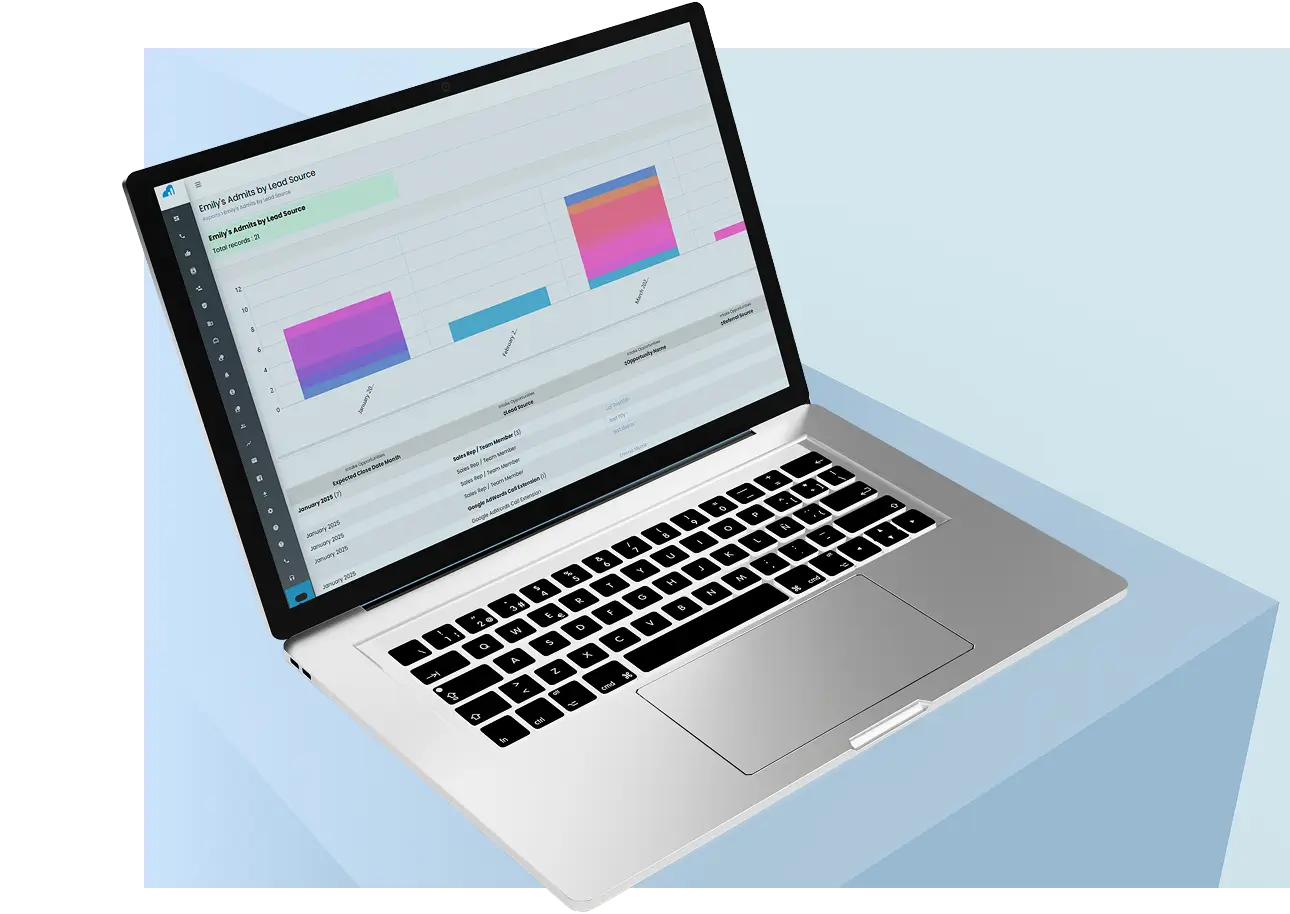
- Data-driven decision making: A CRM can provide you with valuable insights into your organization’s performance, enabling you to make data-driven decisions.
Choosing the right CRM for your behavioral health organization
When selecting a CRM, it’s important to consider factors such as:
- Features: Does the CRM offer the features you need, such as patient management, insurance verification, and reporting?
- Integration: Can the CRM integrate with your existing systems, such as your EHR and practice management software?
- Scalability: Can the CRM grow with your organization as your needs change?
- Cost: What is the cost of the CRM, including implementation and ongoing maintenance?
Conclusion
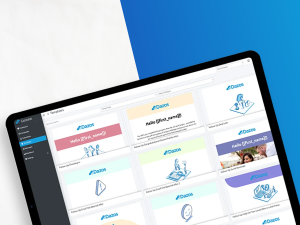
In today’s competitive healthcare landscape, behavioral health organizations must embrace technology to stay ahead. A CRM system like Dazos, designed specifically for behavioral health by industry professionals, can streamline operations, improve patient outcomes, and drive revenue growth. Dazos offers features tailored to your unique needs, integrates seamlessly with your EMR, and streamlines workflows. By choosing Dazos, you’re investing in a powerful tool that can transform your practice and enhance the care you provide.