
For behavioral health facilities, a steady flow of referrals is one of the most important drivers of growth.
A strong referral network brings in new clients, supports long-term stability, and helps your organization stay visible in a crowded healthcare space.
Whether you run a therapy practice, an addiction treatment program, or a multi-location facility, the goal is the same: build strong relationships with people who can connect you with the right potential clients at the right time.
Here’s how to build and grow a behavioral health referral network that works.
Why Referral Networks Matter in Behavioral Health
People looking for mental health or addiction treatment support often turn to someone they trust first: a clinician, social workers, or primary care physicians. These healthcare professionals are key referral sources.
When your facility earns their trust, they are more likely to make an effective referral to you. Over time, this creates a successful referral cycle that strengthens your client base.
Start With the Right Referral Sources
Not all referral partners are the same.
Focus on those network connections who work closely with your target audience, such as:
- Private practice therapists
- Hospitals and community centers
- Primary care physicians
- School counselors
- Case managers and social workers
- Other mental health professionals
These healthcare providers already support people who may need your services.
Build Relationships Before Asking for Referrals
You have to establish a rapport with your connections before you ask for anything.
Start with simple outreach:
- Introduce your specialization
- Share how your behavioral health services support patient wellness
- Exchange contact information
- Invite partners to a call, lunch, or local meetups
This is how you build trust. People refer to organizations they know, not ones they just heard about.
Make Your Referral Process Simple
If your referral process is slow or confusing, partners will stop sending people your way.
Use clear forms, fast response times, and consistent follow up. Technology helps here. Many facilities use CRMs, marketing automation, and referral templates to keep things organized while staying HIPAA compliant.
The easier it is to send you a potential referral, the more likely people will do it.
Boost Your Online Presence
Many referrals now start online. A strong online presence makes it easier for potential clients and partners to find you.
Focus on:
- Your website
- Online directories
- Psychology Today
- Other social media platforms
These tools help keep you top of mind when someone is searching for behavioral health care.
Use Social Media and LinkedIn for Outreach
Social media is not just for marketing, but networking as well. Use LinkedIn to connect with healthcare providers, professional organizations, and local partners.
Share updates, comment on posts, and stay visible. These small actions support your professional network and create future referral opportunities.
Follow Up and Stay in Touch
Most referrals don’t come from the first message, but from consistent follow up.
Send thank-you notes. Share updates. Let partners know when a referral was successful. Even simple phone calls help keep relationships warm.
This is how you maintain strong relationships over time. The best outreach software for behavioral health companies helps you create personalized messages in a fraction of the time.
Create a Referral Program
A formal referral program gives partners a clear way to send clients your way. This might include:
- Referral forms
- Email templates
- Intake guides
- Response timelines
A good referral program helps you streamline communication and track what works.
Track What Works
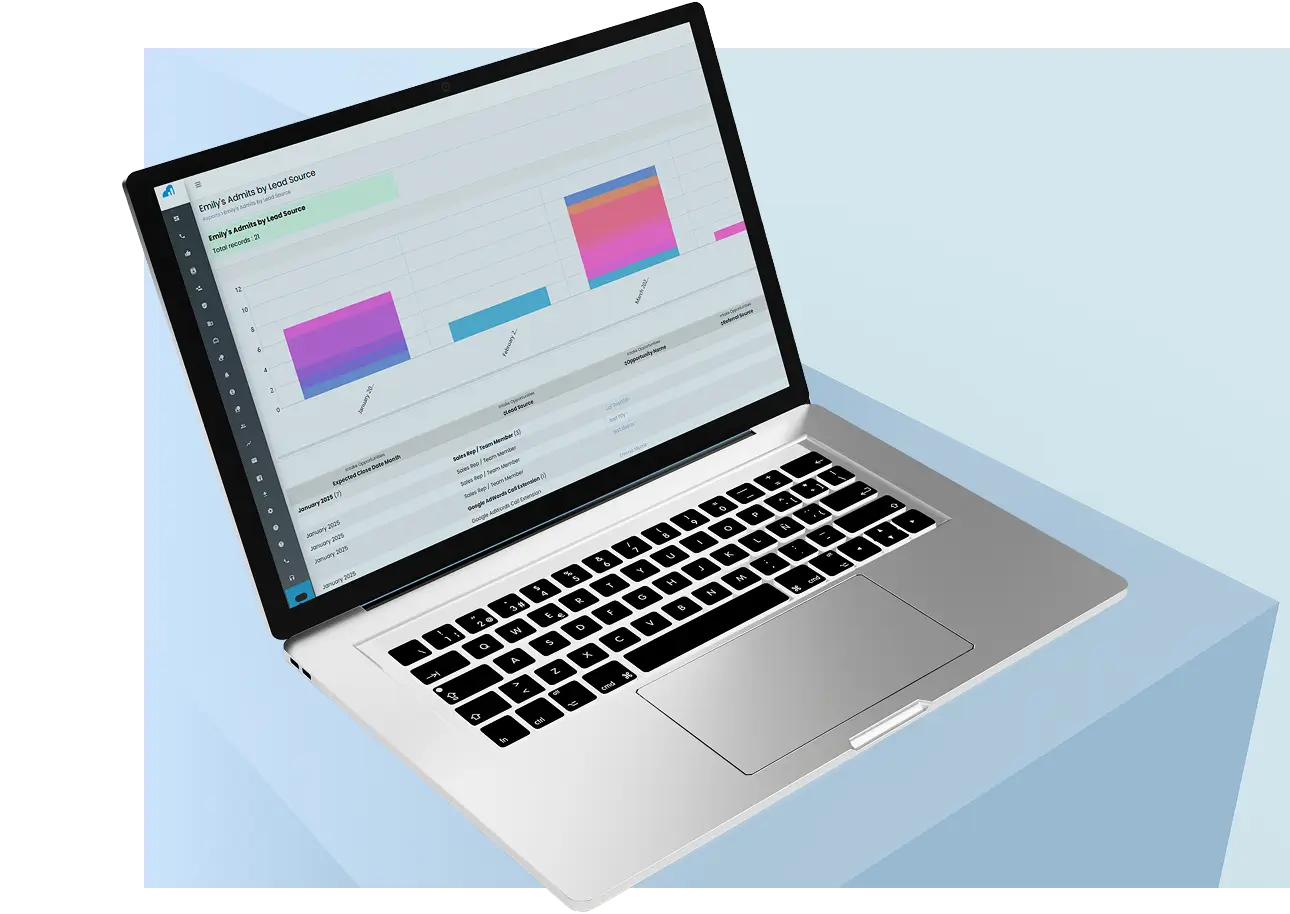
Use reporting tools and workflows to track which referral sources send the best leads. This helps you focus on partners that grow your client base.
The more data you have, the easier it is to improve results. Data on leads and referrals is some of the most important data for behavioral health facilities, as it drives the rest of your business strategy.
Make Referrals a Daily Habit
Growing a referral network is not a one-time task. It is part of your practice management and daily outreach.
Add relationship-building to your weekly schedule. Reach out, connect, and stay visible. That’s how you build a strong referral network that supports long-term growth.
Grow Your Network, Grow Your Reach
Expanding your referral network takes time, consistency, and intention, but the payoff is real. When you build strong relationships with trusted healthcare providers, maintain clear communication, and make it easy for partners to send potential clients your way, your client base and reputation grow together.
Referrals are about more than volume. They’re about trust and mutual support. A facility that responds quickly, follows up with care, and stays connected through outreach is one that partners want to send people to again and again.
To take your referral strategy even further, consider the systems that help you track connections, automate follow-up, and understand which sources bring the best results.
Tools like Dazos CRM make it easier to stay organized and visible with referral partners, while solutions like iCampaign help you stay top of mind with targeted outreach.
By combining strong relationships with smarter tools, your facility will be ready to grow sustainably in 2026 and beyond. Discover how Dazos supports smarter workflows, better communication, and a stronger referral pipeline.
Sources
- American Psychological Association (APA). Marriage and Relationships. Retrieved from:
https://www.apa.org/topics/marriage-relationships. Accessed on January 30, 2026. - National Council for Mental Wellbeing. Building Stronger Provider Networks. Retrieved from:
https://www.thenationalcouncil.org. Accessed on January 30, 2026. - Substance Abuse and Mental Health Services Administration (SAMHSA). Behavioral Health Services. Retrieved from:
https://findtreatment.gov/. Accessed on January 30, 2026. - Substance Abuse and Mental Health Services Administration (SAMHSA). Mental Health Services. Retrieved from:
https://www.samhsa.gov/find-help. Accessed on January 30, 2026.